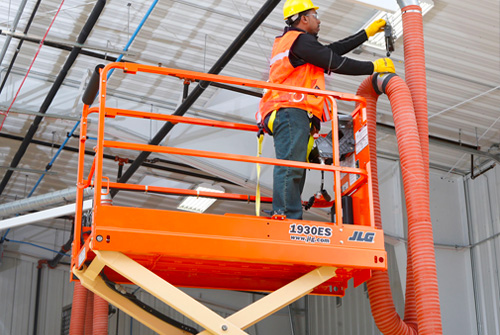
Workplace safety continues to be a top priority and for good reason. Falls remain one of the leading causes of serious injury and death on the job. According to the latest data from the Bureau of Labor Statistics, hundreds of workers still lose their lives each year due to falls, reinforcing the need for strict safety protocols and ongoing training. To address these risks, the Occupational Safety and Health Administration (OSHA) implemented updated fall protection standards that continue to shape how businesses manage workplace safety today. If your team operates aerial equipment, compliance isn’t optional. It’s critical. Here’s a guide to the safety standards you should have in place for workers using aerial equipment.
Which OSHA Standards Apply to Aerial Equipment?
With all of the other things you have on your mind while running your business, OSHA standards can be intimidating, but they can’t be ignored. Understanding the specific standards that apply to your operation makes compliance more manageable.
For aerial lifts and elevated work platforms, key OSHA standards include:
- 29 CFR 1910.67 – Vehicle-mounted elevating and rotating work platforms
- 29 CFR 1910.269(p) – Electric power generation, transmission, and distribution
- 29 CFR 1926.21 – Safety training and education
- 29 CFR 1926.453 – Aerial lifts
- 29 CFR 1926.502 – Fall protection systems
Additionally, OSHA’s Walking-Working Surfaces and Personal Fall Protection Systems (29 CFR 1910 Subparts D & I) remain essential for operations involving aerial equipment.
Understanding Hazards and the Importance of Training
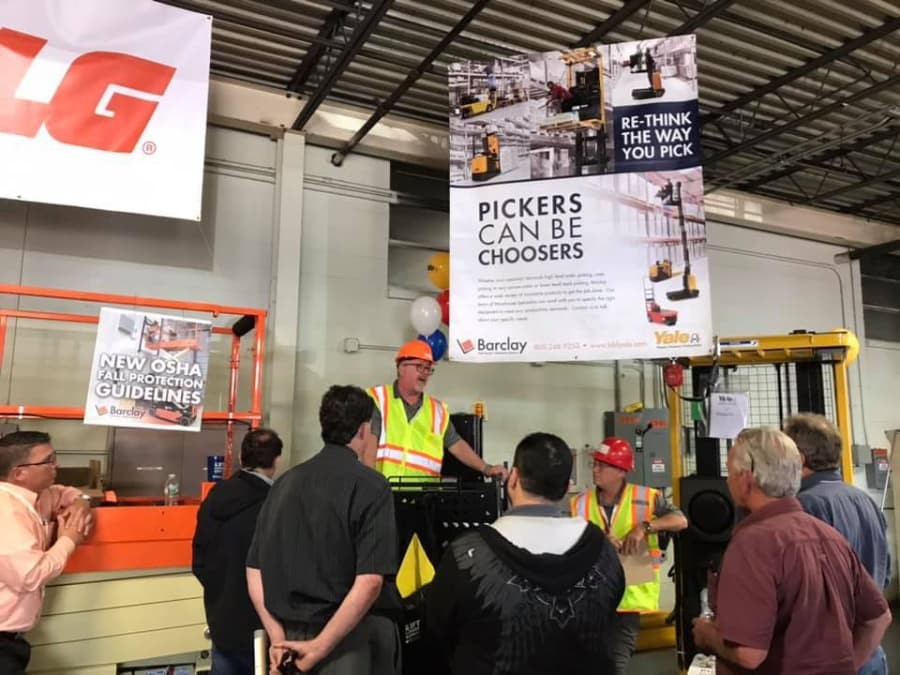
Modern OSHA standards place a strong emphasis on hazard identification and documented risk assessments. Employers are expected to evaluate fall risks across all operations, including the use of aerial lifts, and maintain proper documentation.
Employees working at height must be trained to:
- Recognize fall hazards.
- Understand equipment-specific risks.
- Properly use fall protection systems.
- Follow safe operating procedures.
The hazards associated with operating aerial equipment aren’t limited to falls, of course. There are many others, including electrocution, structural failure, ejection from the platform, entanglement, and more. That’s why it is essential that only employees who are trained properly be allowed to operate the aerial equipment. OSHA also requires you to retrain any employee who is seen improperly operating an aerial lift or order-picking lift truck.
Fall Protection Systems: What’s Required?
From pre-start inspection to safe operation practices, there is a long list of things you need to do to ensure your employees remain safe. To reduce the risk of falls, OSHA requires workers using aerial lifts to maintain continuous fall protection. This typically includes:
- Full-body harnesses
- Lanyards or self-retracting lifelines
- Secure anchor points within the platform
Depending on the equipment and application, either a fall arrest system or a fall restraint system may be required. The key is ensuring workers are properly secured at all times while elevated.
Building a Safer Operation with the Right Equipment & Training
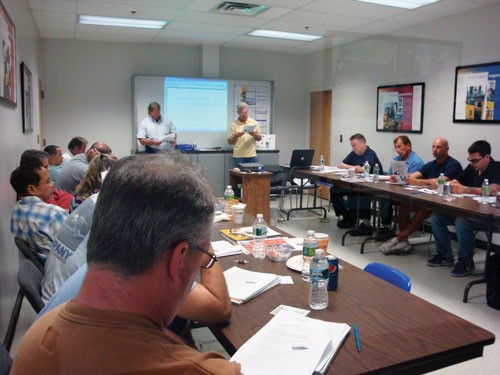
Creating a safe work environment goes beyond compliance. It requires the right combination of equipment, training, and ongoing support.
At Barclay, we help companies reduce risk and improve productivity with:
- OSHA-compliant safety training programs.
- A full range of aerial equipment, including scissor lifts, boom lifts, stock pickers, and man-up turret trucks.
- Safety accessories such as harnesses and lanyards.
- Expert guidance to ensure your operation meets current standards.
Whether you’re updating your safety program or expanding your fleet, having the right partner makes all the difference. Call us at 908-561-2100 to learn more about our products and safety training programs or contact us online today.