
As more companies transition to lithium-ion batteries for forklifts and warehouse equipment, understanding proper safety procedures is more important than ever. Lithium-ion technology offers significant advantages over traditional lead-acid batteries, but like any power source, it must be used correctly to ensure safe and reliable operation.
At Barclay, we work with customers every day who are upgrading to lithium-ion power, and one of the most common questions we hear is, “What are the best practices to use lithium-ion forklift batteries safely?” The good news is that lithium-ion batteries are very safe when installed, charged, and maintained properly.
With the right training and equipment, they can improve both productivity and workplace safety.
Why Lithium-Ion Batteries Are Becoming More Popular
Lithium-ion batteries are quickly becoming the preferred choice for electric forklifts because they offer several operational advantages:
- Faster charging times
- No watering or routine battery maintenance
- Longer run times
- Opportunity charging capability
- Consistent power output
- Reduced downtime
Many modern lift trucks, including equipment from Yale, are designed to operate with lithium-ion power systems to help increase efficiency and reduce overall operating costs.
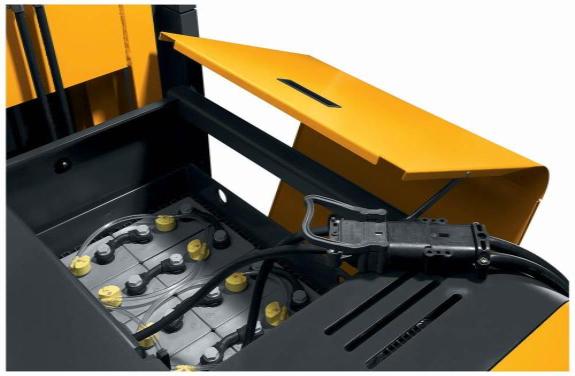
Best Practices for Lithium-Ion Forklift Batteries
Although lithium-ion batteries require less maintenance than lead-acid batteries, proper safety practices are still essential.
1. Use the Correct Charger
Forklift battery charging safety starts with using the charger designed specifically for the lithium-ion battery installed in the truck.
Using the wrong charger can:
- Cause overheating
- Damage internal battery cells
- Reduce battery life
- Increase fire risk
Following manufacturer guidelines and using approved equipment is critical.
2. Avoid Physical Damage to the Battery
Lithium-ion batteries contain high-energy cells and should be handled carefully.
Watch for signs of damage such as:
- Cracked battery housings
- Loose or exposed connections
- Impact damage
- Water exposure
If damage is suspected, the truck should be taken out of service and inspected by a qualified technician.

3. Train Operators and Maintenance Personnel
Lithium-ion battery safety training for forklifts is one of the most important parts of a comprehensive safety program. Employees should understand safety protocols, including:
- Correct charging procedures
- Indicator lights and warning alarms
- What to do if a battery overheats
- When to contact service
Training is especially important for facilities converting from lead-acid to lithium-ion, since procedures are different.
4. Follow Safe Charging Practices
Understanding how to safely charge lithium-ion forklift batteries is critical for preventing accidents and extending battery life. Lithium-ion batteries allow opportunity charging, but charging should still follow safe guidelines. Best practices include:
- Charging in designated areas
- Keeping chargers properly ventilated
- Keeping flammable materials away
- Making sure cooling fans are not blocked
Unlike lead-acid batteries, lithium-ion batteries do not require watering, but they should still be monitored during use and charging.
5. Monitor Temperature and Environment
Extreme temperatures can affect battery performance and safety. Avoid the following environmental risks:
- Charging in excessively hot environments
- Storing batteries in freezing conditions
- Blocking ventilation openings on the truck or charger
Most modern lithium-ion systems include built-in protection features, but proper operating conditions are still important.
6. Use Approved Equipment and Safety Technology
Many newer forklifts include integrated battery monitoring and protection systems designed to reduce risk and improve performance. These systems may:
- Prevent overheating
- Control charging speed
- Monitor battery health
- Alert operators to unsafe conditions
Working with an experienced material handling provider helps ensure the correct battery, charger, and truck configuration are used for your application.
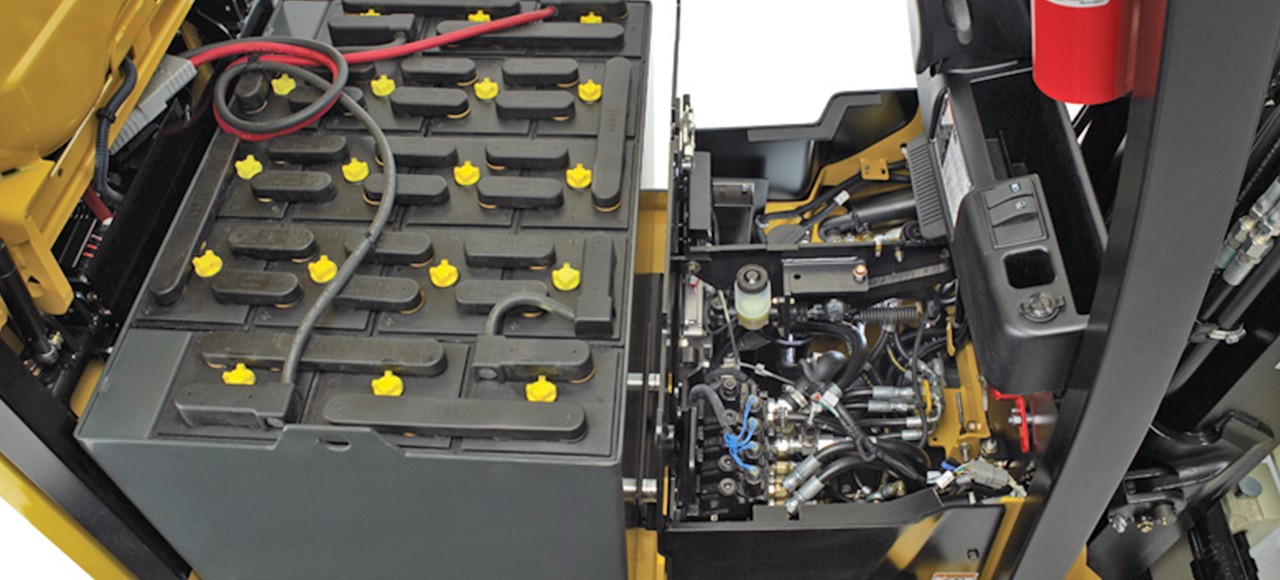
Why Lithium-Ion Safety Matters
Implementing lithium-ion forklift battery safety protocols isn't just about compliance. It's about protecting your people and operations. Improper battery use can result in:
- Equipment damage
- Unexpected downtime
- Fire hazards
- Employee injury
- OSHA compliance issues
With the right setup, lithium-ion batteries are one of the safest and most efficient power options available for today’s warehouses and distribution facilities.
Need Help with Lithium-Ion Forklift Batteries?
Barclay provides complete support for lithium-ion conversions, including:
- Lithium-ion forklift solutions
- Battery and charger setup
- Safety training programs
- Equipment inspections
- Fleet evaluations
Our team works closely with customers to ensure lithium-ion forklift battery safety protocols are implemented correctly, operators receive comprehensive forklift battery safety training, and equipment runs safely from day one.
Contact us today to get started.